
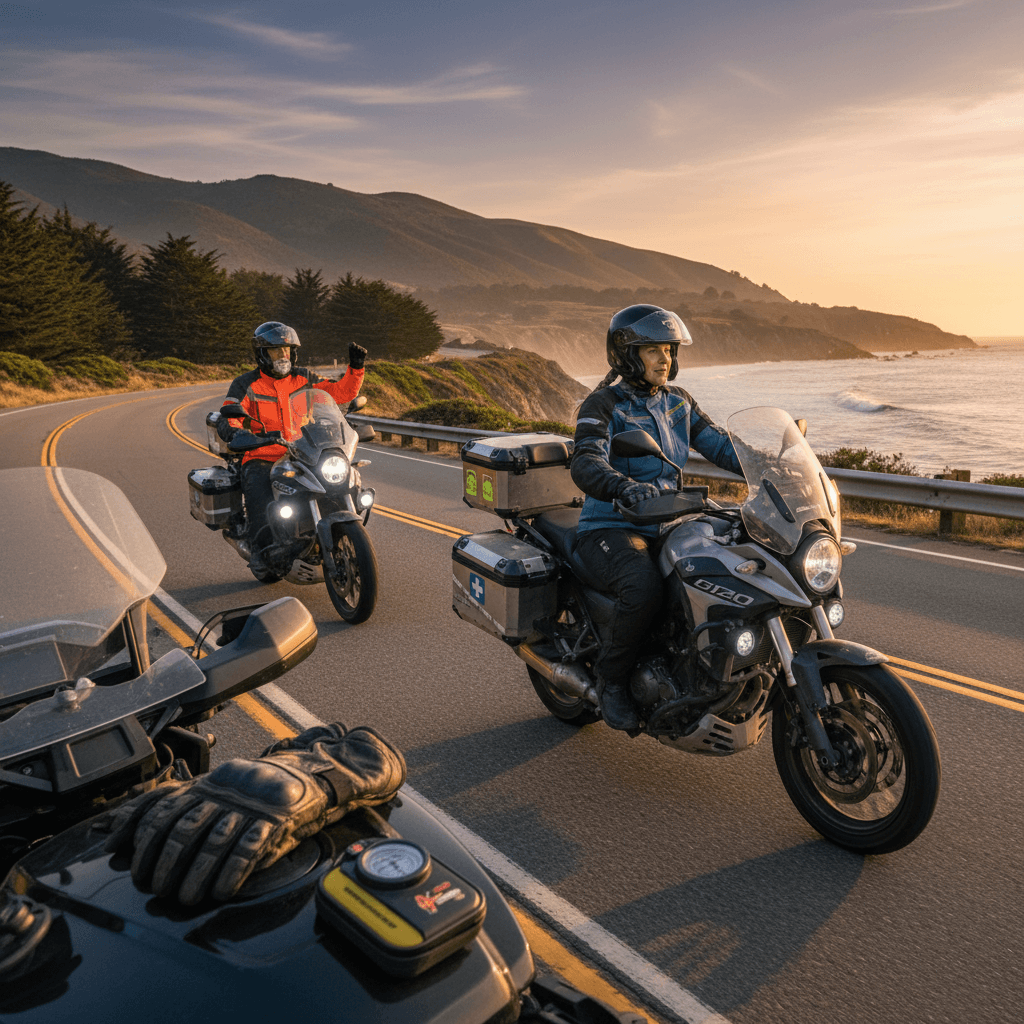
Riding a motorcycle is a source of joy for many riders well into their later years. The open road, the sense of freedom, and the connection to the machine remain powerful draws. For senior riders, continuing to ride safely requires small changes to habits and equipment that preserve independence and reduce risk.
This article gathers concrete tips that senior riders can use right away. Every section focuses on practical actions you can take before, during, and after a ride to make each trip safer and more enjoyable. Examples and checklists are included so you can apply these ideas to your own routines.
Why senior riders add safety to every motorcycle ride with these tips matters
Aging brings changes in vision, hearing, reaction time, and joint mobility. Those shifts do not have to end riding. They do call for adjustments so riders remain safe on two wheels. Small modifications to posture, bike setup, and pre-ride checks reduce the chances of an incident and help maintain confidence.
Safety decisions influence outcomes in ways riders may not expect. Simple choices like lowering seat height to steady the bike at stops, choosing tires with better grip, and avoiding heavy traffic all translate into fewer close calls. Many of the measures that extend safe riding for older adults have little or no downside but offer sizable benefit.
Pre-ride physical checks and daily fitness habits for senior riders
Consistency in body care matters. A quick daily routine can help prevent surprises on the road and preserve the ability to control the motorcycle. Consider these checks and habits before you mount up.
- Check how your knees and hips feel when swinging your leg over the bike. Soreness may call for a different seat height or a step-through option.
- Test your grip strength with a hand exercise ball or simple squeeze routine. Weak hands can compromise braking and clutch control.
- Monitor neck range of motion. Clear peripheral vision depends on being able to turn your head comfortably.
- Hydration matters. Even mild dehydration can slow reaction time and increase fatigue.
Simple balance exercises senior riders can do at home
Balance is central to low-speed control and mounting or dismounting. Try standing on one foot while holding a chair for support. Increase hold time gradually. Heel to toe walking along a straight line improves stability in turns and at slow speeds.
Strength and flexibility routines that fit a busy schedule
Short daily sessions of squats, seated leg raises, and shoulder rolls preserve muscle strength used when maneuvering a motorcycle. Flexibility drills for the hips and lower back reduce stiffness when reaching for controls. Aim for three sessions each week and adjust intensity to feel challenged without pain.
Motorcycle setup and equipment choices for older riders
A few adjustments to the bike make big differences. Evaluate ergonomics and control placement so reaching the handlebars, brake, and shift lever feels natural and secure.
- Seat height matters more than speed. Lower seats or thinner seat foam can help feet reach the ground with confidence at stops.
- Consider installing lower rearsets or adjusted footpegs to reduce strain on hips and knees.
- Choose tires with a reputation for predictable handling and good wet weather grip. Properly inflated tires improve stability and braking performance.
- Look for models with lighter clutch pull or consider a hydraulic clutch conversion to reduce hand fatigue during long rides.
- Anti-lock braking systems are helpful because they reduce the chance of a wheel lock during sudden stops. If your bike does not have ABS, practice controlled stops in a safe area.
Protective gear choices that add real protection for senior riders
Protective clothing and helmet choices remain crucial. The right combination reduces injury severity and makes riding more comfortable, which reduces fatigue and improves concentration.
- Helmet fit matters most. A full face helmet with a snug fit and modern impact liner will protect the head and face. Replace helmets every five to seven years or after any impact.
- Layered jackets with integrated armor protect shoulders, elbows, and spine. Look for jackets that allow airflow yet keep you warm on chillier days.
- Boots with ankle support help with balance and reduce the risk of twisting injuries when putting a foot down.
- High contrast colors and reflective strips increase visibility in traffic. Avoid designs that hide you against typical road backgrounds.
- Gloves that balance protection with tactile feedback help maintain good lever feel and control during long rides.
Riding techniques and route planning that reduce risk for older riders
How you ride and where you ride are powerful safety levers. Think about pacing, lane position, and timing when you plan a ride day.
- Adopt a defensive riding posture. Position yourself where drivers can see you and avoid lingering in blind spots.
- Reduce cruising speed on unfamiliar roads. Lower speed buys time to react to hazards and softens the consequences of mistakes.
- Choose routes with fewer intersections and less heavy traffic when possible. Rural roads can be pleasant, but watch for loose gravel and animals.
- Avoid night riding unless you are confident in your night vision. Glare and reduced depth perception make recognition of hazards harder.
- Plan for rest stops every 60 to 90 minutes. Fatigue builds and affects grip and decisions.
Technology and emergency preparedness approaches for senior riders
Modern devices help when things go wrong. Emergency planning includes carrying information that first responders can use and using technology that shortens response times.
Attach a medical ID card in your riding jacket or use an emergency contact sticker on your helmet. Store critical information such as allergies, medications, and emergency contacts where responders can find it. Keep your phone charged and mounted so you can call for help quickly.
For more guidance on medical preparations and resources tailored to older motorcyclists see senior safety solutions
Continuing training and community resources that keep skills sharp
Skill decline is gradual and often unnoticed. Periodic refresher courses sharpen key maneuvers and update riders on current road patterns and laws. Many local riding schools offer short workshops that focus on slow speed control, hazard avoidance, and braking drills.
- Find group rides that match your pace. Riding with peers who respect your pace reduces pressure to keep up with faster riders.
- Look into senior rider clinics that emphasize gentle progression and personalized feedback.
- Join online forums and local clubs to exchange tips on ergonomics, gear, and route suggestions. Shared experiences speed learning and reduce common mistakes.
Simple habits that cut risk without changing what you love about riding
Small actions repeated over time reduce exposure to risk. A quick checklist before each ride makes the difference between a relaxed trip and a stressful scramble to correct a problem on the road.
- Do a walkaround check each time you park before departing. Look for leaks, tire condition, and secure luggage.
- Use visibility signals early. Signal well before turns and lane changes so other drivers have time to react.
- Adjust mirrors and seat before you start the engine. Getting these right when the bike is warm keeps your focus on the road.
- Keep emergency tools and basic first aid in a small bag under the seat. Knowing you have what you need reduces anxiety and the temptation to take unnecessary risks when plans change.
Age does not have to end the thrill of the ride. With deliberate habits, modest equipment updates, and an eye for personal limits, senior riders can continue to enjoy motorcycle travel for years. The strategies here are practical and low cost in most cases. Try one change at a time and notice how it affects comfort and control.
Take action today by choosing one item from the pre-ride checklist to complete before your next trip. Consider scheduling a short skills refresher or swapping a single piece of gear for a safer option. These steps protect you and preserve the feeling of freedom that made you fall in love with riding. Ride safely and share your experience with other riders so everyone can learn and stay out on the road longer.


